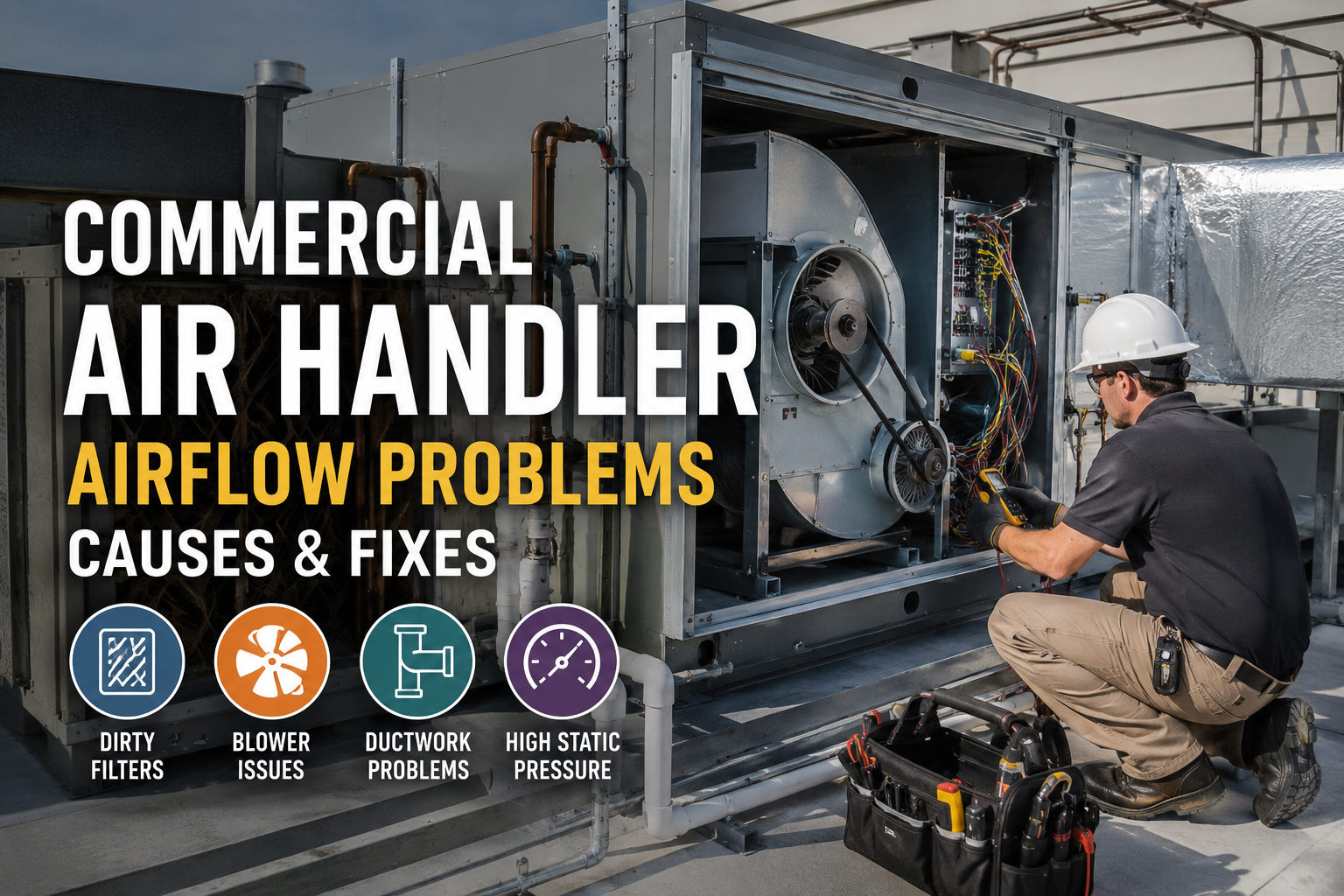
Commercial Air Handler Airflow Problems & Fixes Guide
Overview
Airflow issues in commercial air handler units are one of the most frequent causes of comfort complaints, high energy use, and uneven zone performance in North American buildings. For contractors and facility managers, most of these problems trace back to a few predictable failure points rather than system complexity.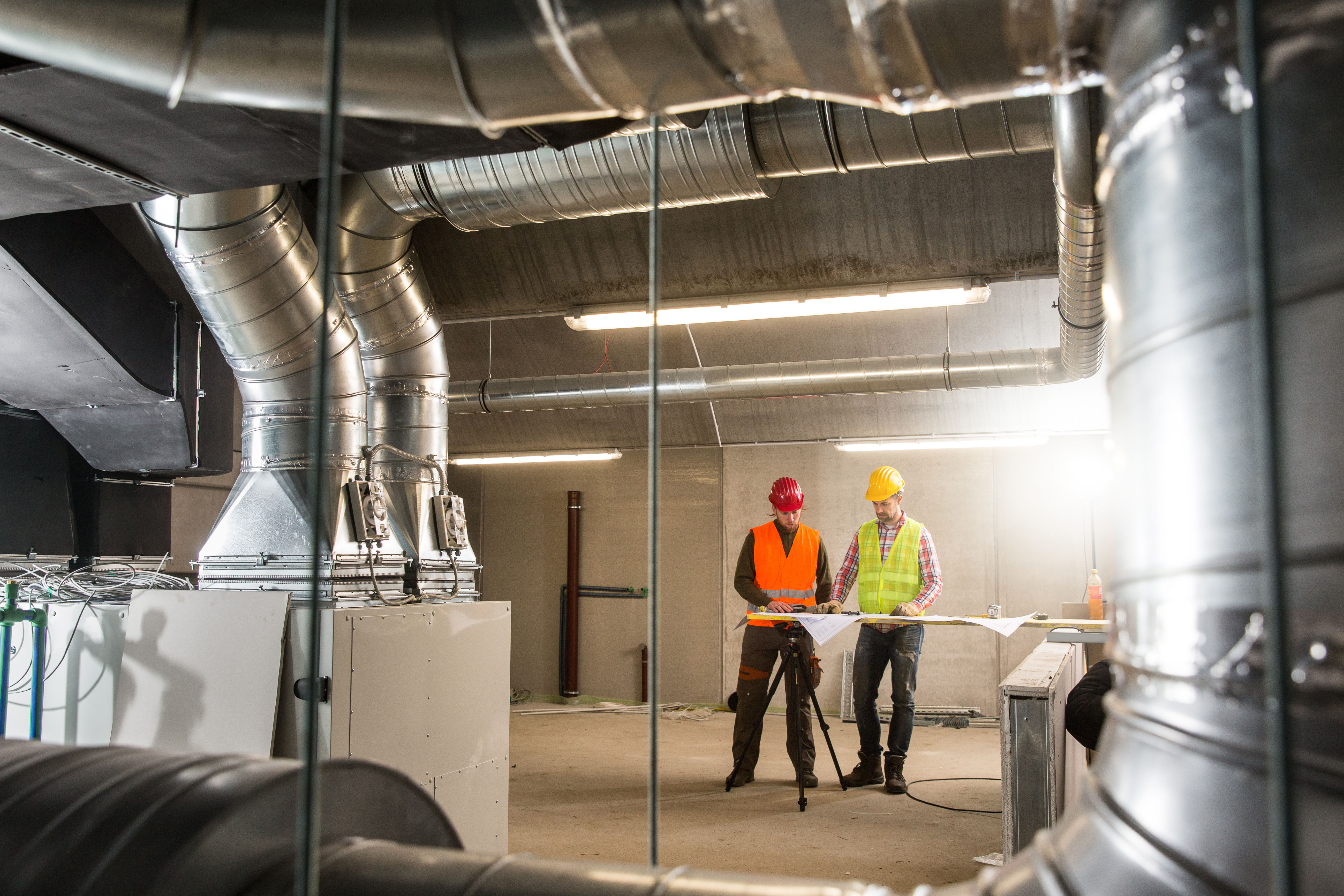
One of the fastest ways to choke a commercial air handler is inadequate return air or neglected filtration. In high-load environments like offices, retail, or light industrial spaces, filters load up faster than most maintenance schedules assume.
When return air is restricted, the system immediately shifts out of design CFM. You'll see coil icing, reduced heat transfer, and higher static pressure across the blower. In many retrofit cases, the issue isn't the unit—it's undersized return grilles or blocked return pathways after interior renovations.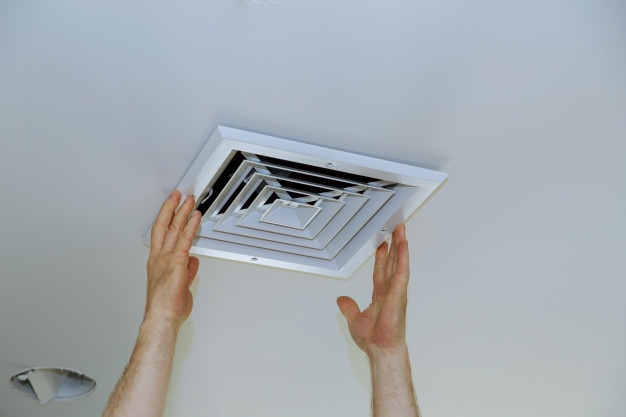
Fix: Verify total return grille free area against design CFM, upgrade to low-pressure drop filters, and adjust maintenance cycles based on actual load, not calendar intervals.
Coil fouling is a silent performance killer in commercial air handlers. Even a light dust layer can reduce heat exchange efficiency and distort airflow patterns across the coil face, leading to uneven air distribution.
In some systems, replacement coils or aftermarket upgrades are installed without matching fin density to the original design. This creates airflow imbalance that shows up as hot and cold spots across zones.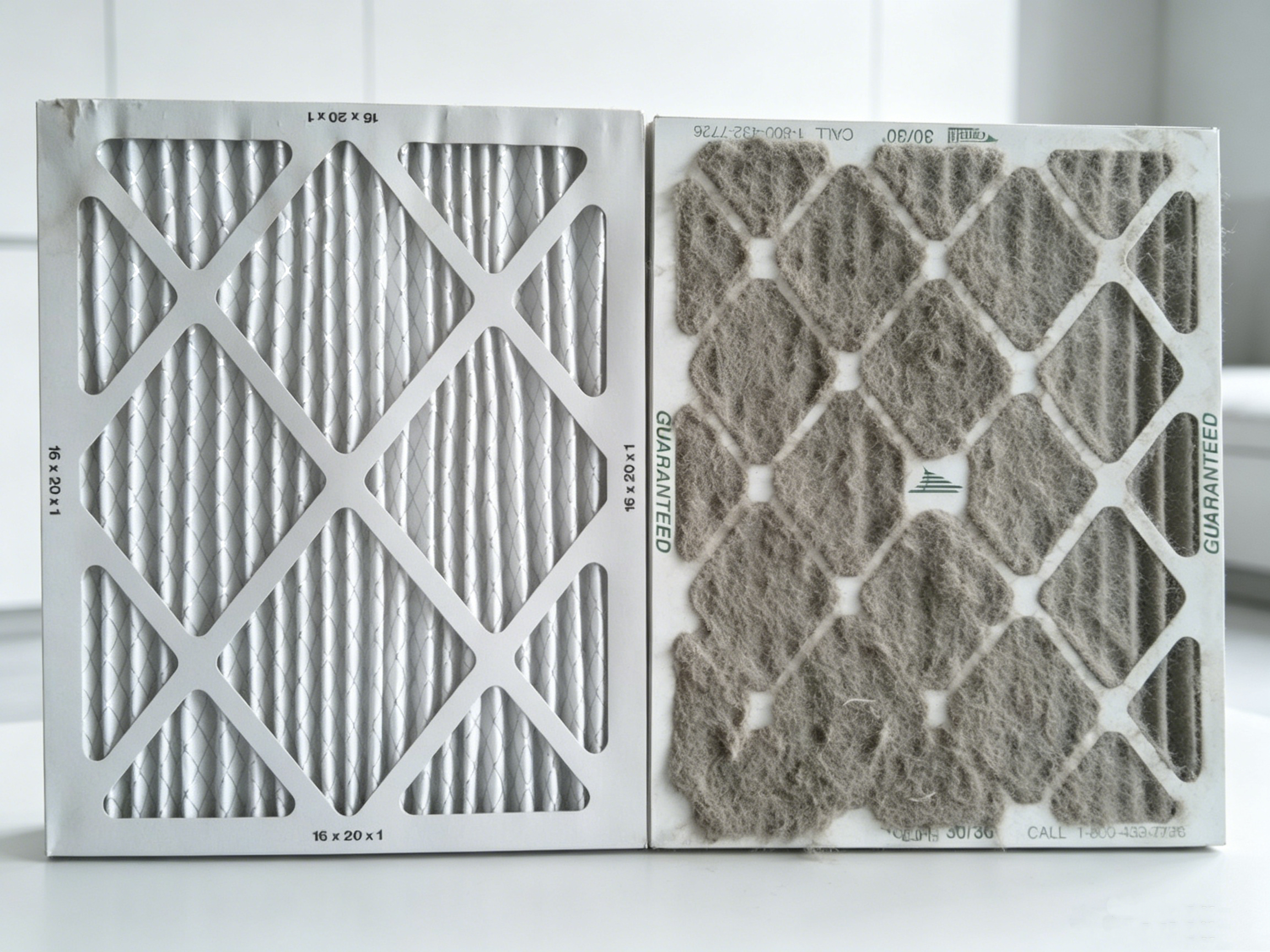
Fix: Clean coils with proper non-corrosive methods, and always match coil specs (FPI and face velocity) during replacement. Avoid universal coil swaps in engineered systems.
Forward-curved and backward-inclined blowers used in commercial units are sensitive to dirt buildup and bearing wear. Over time, imbalance leads to vibration, reduced RPM efficiency, and inconsistent airflow delivery.
This is especially common in rooftop-connected AHU systems where vibration is less noticeable until performance drops significantly.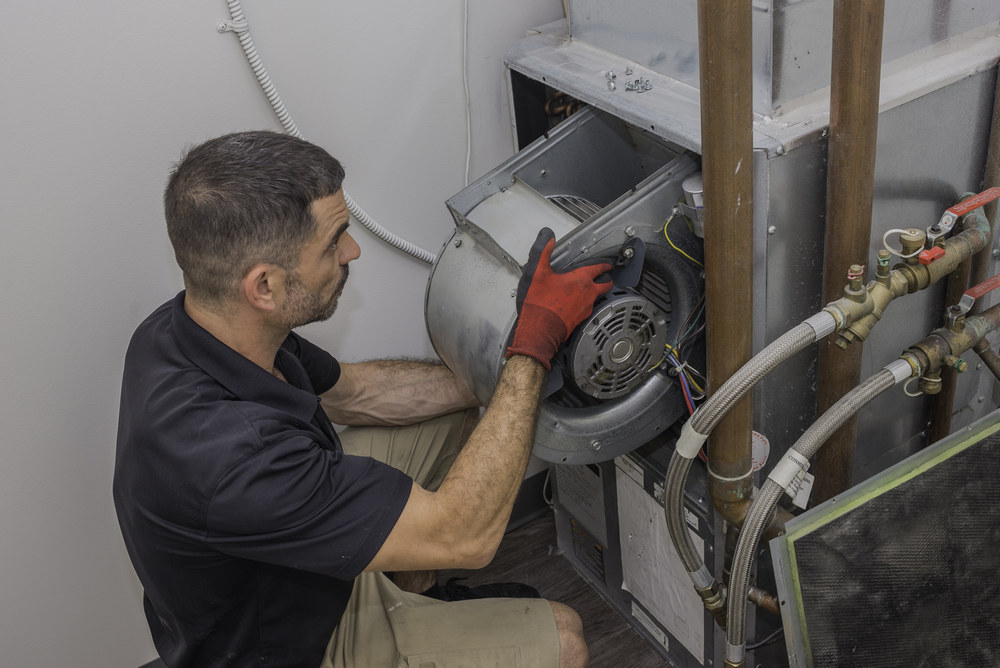
Fix: Inspect blower wheels for buildup and static imbalance, check bearings, and verify motor amp draw against nameplate under full load conditions.
A large percentage of airflow complaints are actually duct design problems, not AHU failures. High static pressure from undersized duct runs, excessive elbows, or poorly balanced branches forces the blower to operate off its curve.
In retrofit commercial buildings, added tenant improvements often reduce duct effectiveness without updating fan curves or rebalancing.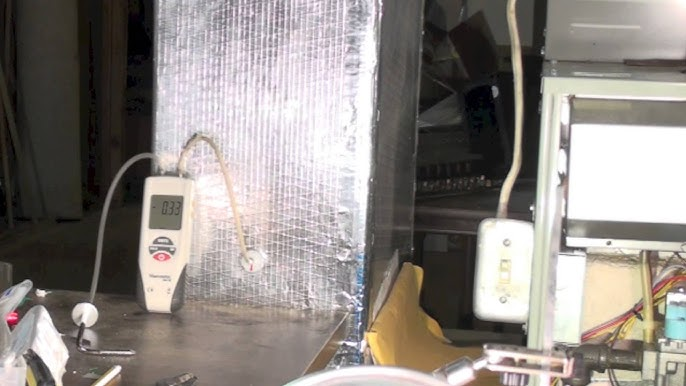
Fix: Perform a full static pressure test across supply and return. Rebalance dampers and, if needed, resize critical duct trunks rather than overdriving the blower.
Modern commercial air handlers rely heavily on VFDs and building automation systems. Incorrect minimum airflow settings, poorly tuned ramp curves, or sensor drift can all create ghost airflow problems that look mechanical but are actually control-related.
Fix: Verify airflow setpoints against design CFM per zone, recalibrate pressure sensors, and confirm VAV box sequencing is not conflicting with AHU logic.
Economizer dampers stuck partially open or miscalibrated can severely disrupt airflow balance. This often goes unnoticed until humidity control or cooling performance degrades during shoulder seasons.
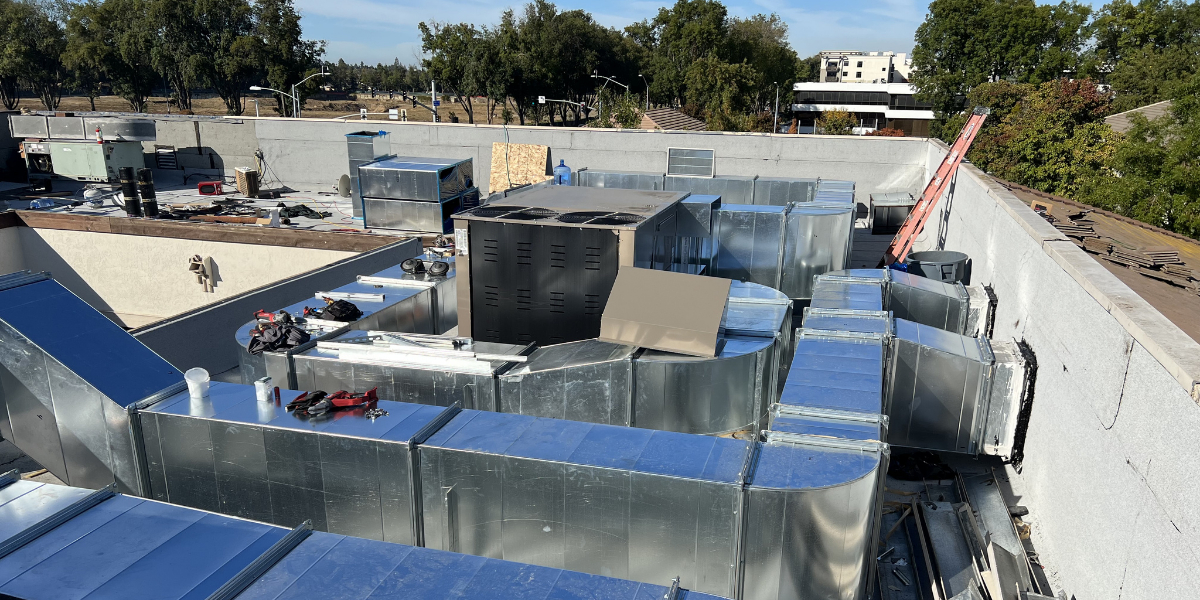
Fix: Inspect damper actuators, verify full open/close response, and recalibrate mixed air temperature sensors. Ensure minimum outdoor air rates match ASHRAE requirements without over-ventilation.
Final Takeaway
Most commercial air handler airflow problems are not equipment failures but system interaction issues—return design, duct static pressure, coil condition, and controls all working against each other. For contractors, diagnosing airflow correctly often means separating mechanical restriction from control logic before replacing major components.
A structured approach to static pressure, CFM verification, and coil/blower inspection will resolve the majority of field complaints without unnecessary unit replacement.