For commercial HVAC contractors and engineering teams, seeing equipment firsthand provides a clearer understanding of its physical configuration and technical details than reviewing a product catalog alone. It also creates an opportunity to discuss specifications directly with the supplier and identify details that need further evaluation before procurement.

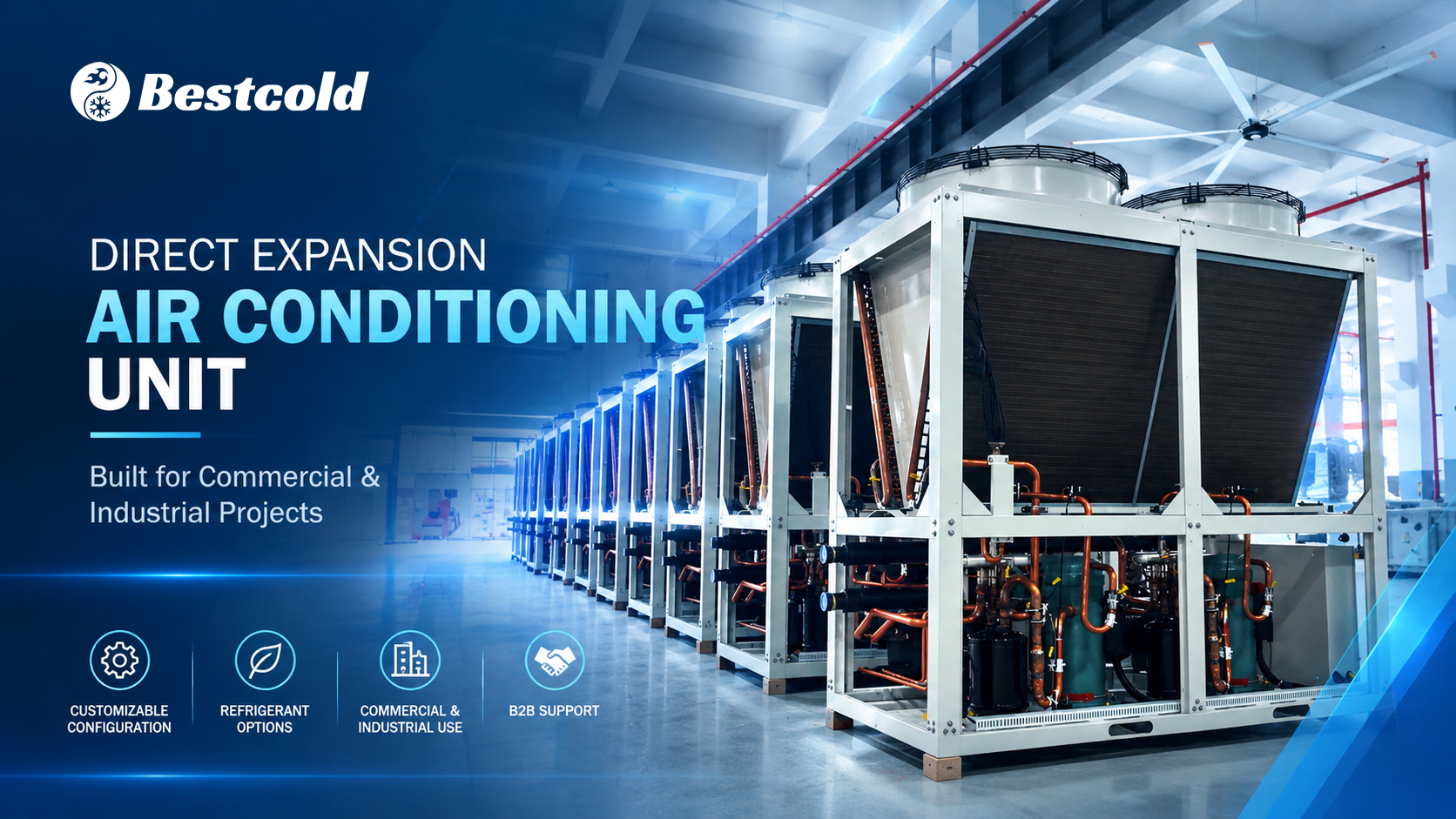
Preparing for a Major HVAC Project: Inside Bestcold's DX Unit Manufacturing Facility
Large HVAC projects require more than selecting equipment from a catalog. Contractors and project teams need to evaluate equipment specifications, physical dimensions, performance requirements, and manufacturing capabilities before moving forward.
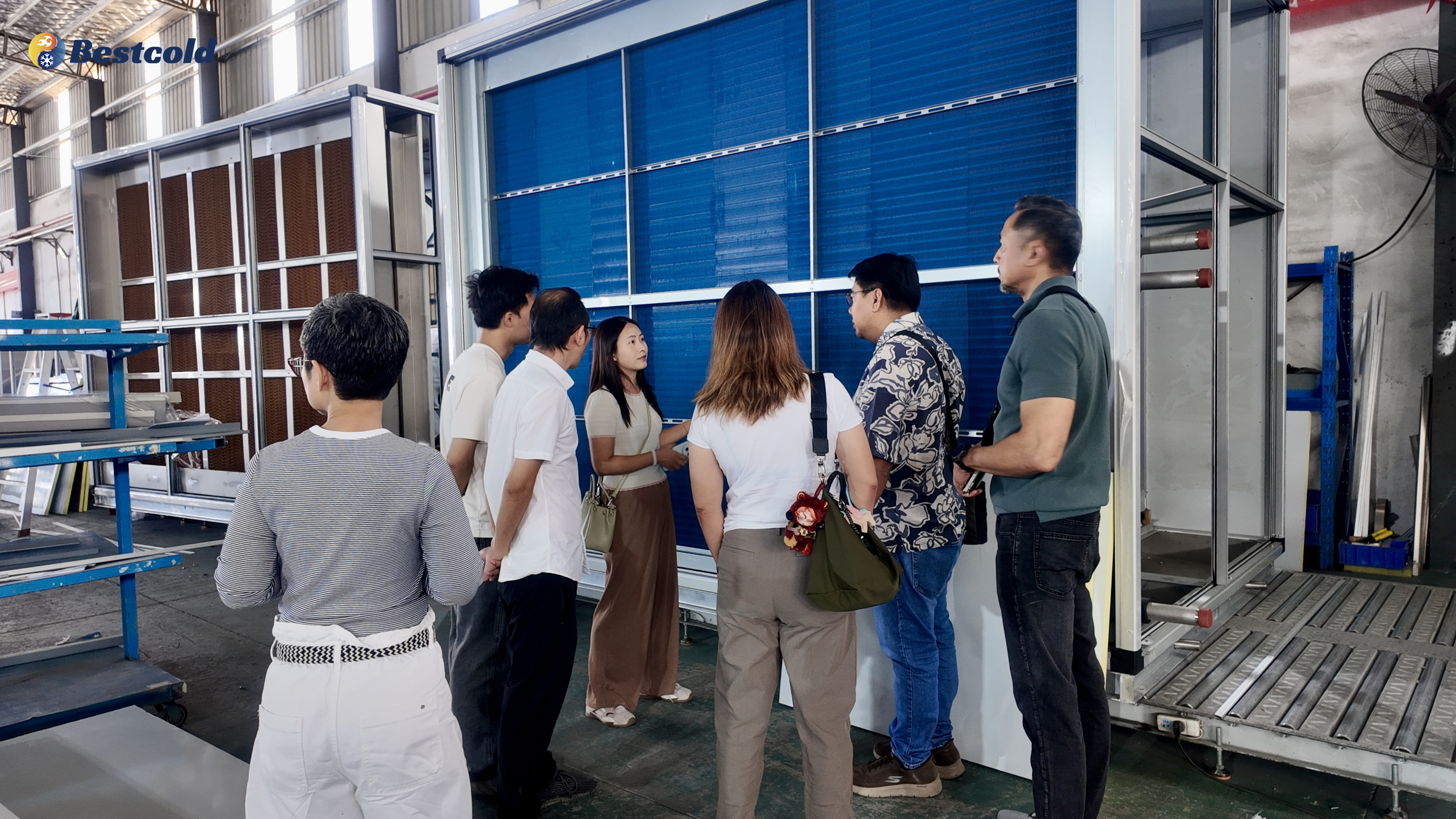
This week, the Bestcold team welcomed a client delegation from the Philippines to our DX unit manufacturing facility. The visit was part of the preparation for the client's upcoming large-scale project, providing an opportunity to review equipment details and discuss key considerations for project planning.
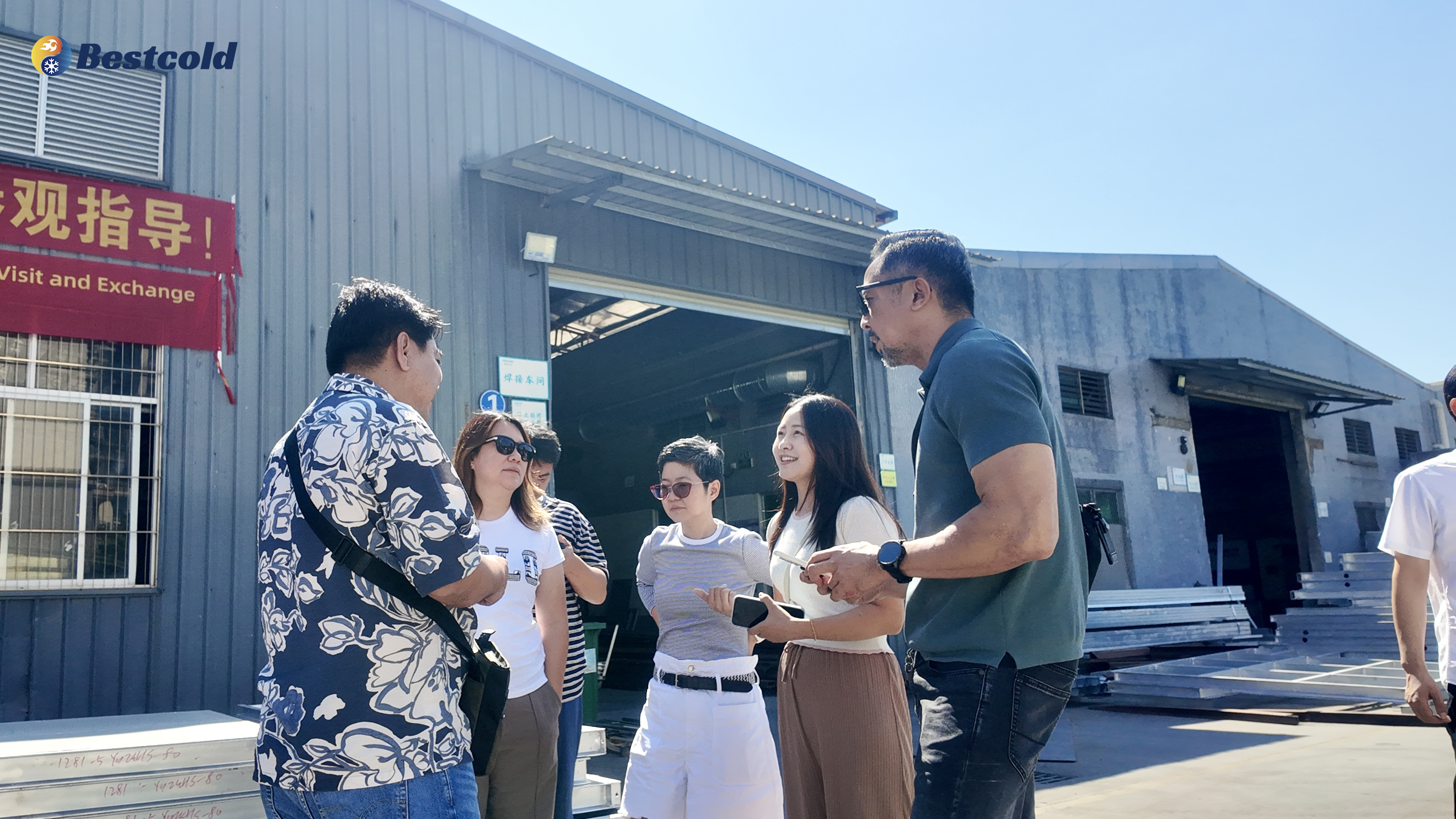 Inside the DX Unit Manufacturing Facility
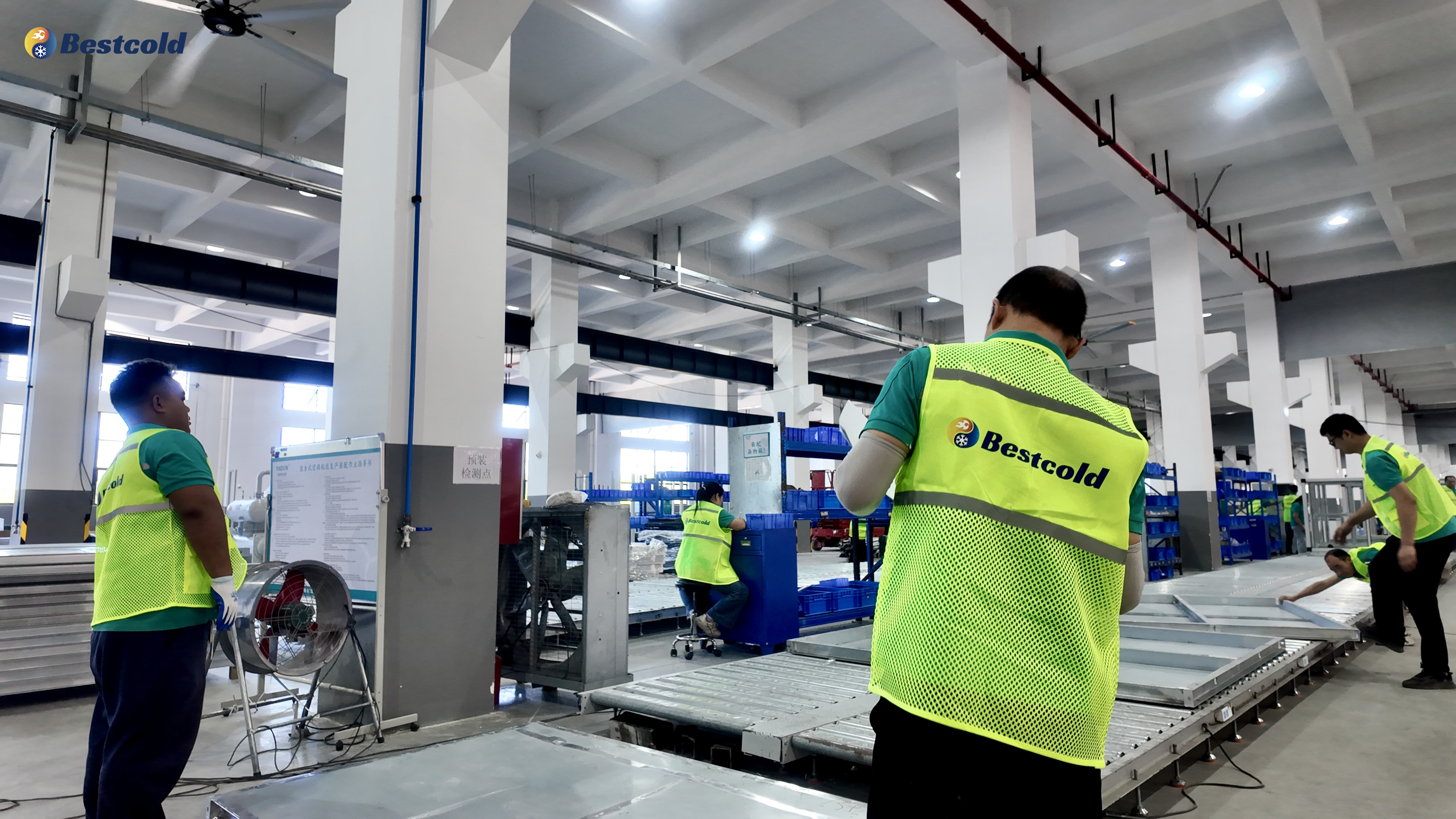
During the visit, the client explored the production environment, examined equipment dimensions, and reviewed key performance specifications with our team.
For commercial HVAC contractors and engineering teams, seeing equipment firsthand provides a clearer understanding of its physical configuration and technical details than reviewing a product catalog alone. It also creates an opportunity to discuss specifications directly with the supplier and identify details that need further evaluation before procurement.
At Bestcold, we believe effective project support starts with clear communication about equipment specifications and manufacturing requirements. Factory visits help our customers better understand the products and prepare for the next stage of project planning.
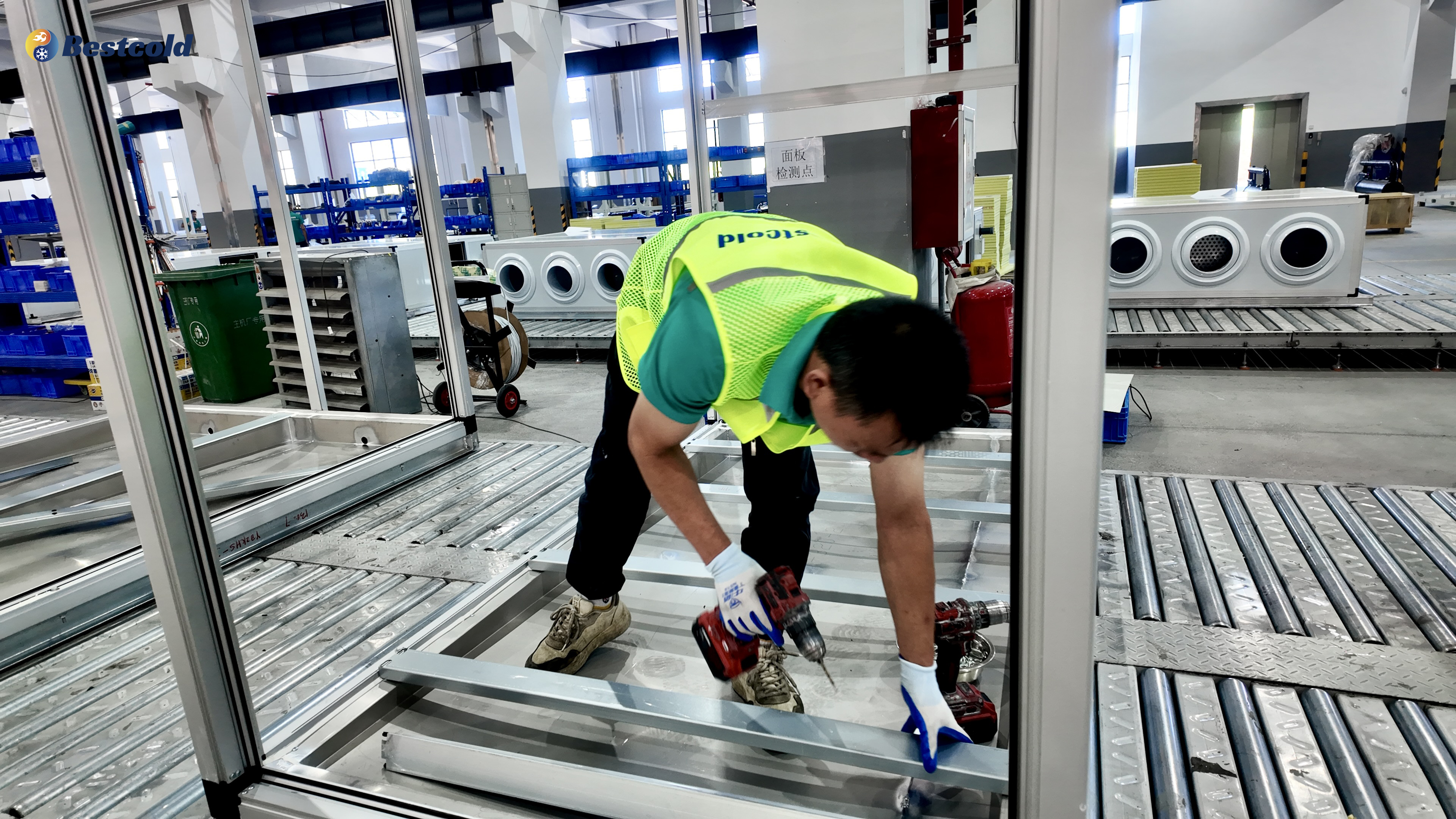
Equipment Selection Starts with Project Requirements
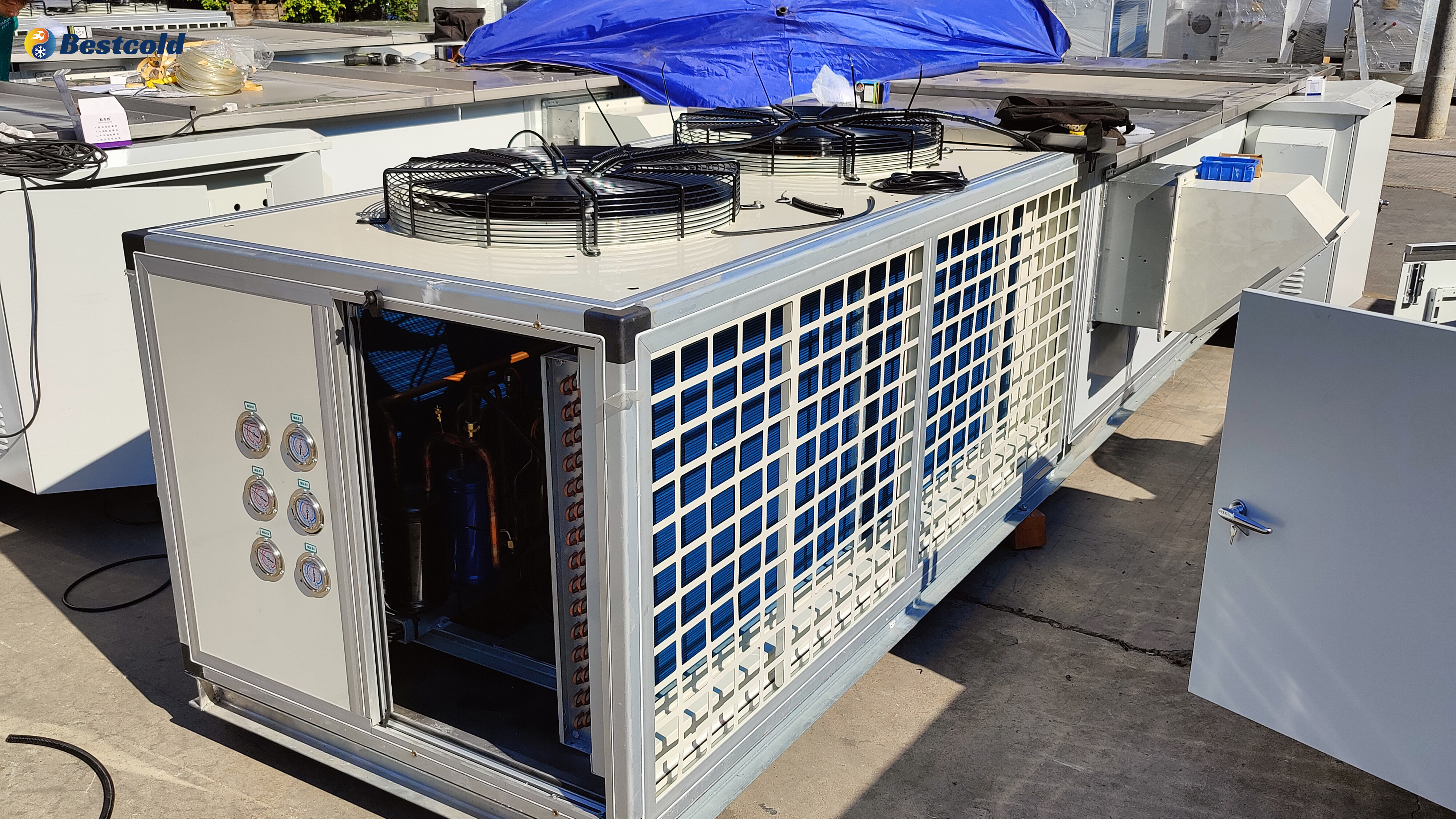
For large commercial HVAC projects, equipment selection should be rooted in real application requirements, rather than just the price or nominal capacity shown on product datasheets. Before finalizing DX unit specifications, contractors, engineers, and procurement teams need to evaluate core factors to verify the suitability of proposed equipment.
1. Equipment Dimensions and Installation Constraints
Physical dimensions are a top priority in project planning. Available mechanical room space, equipment access, service clearances, and connection positions directly affect installation feasibility. Confirming dimensions early helps avoid potential layout conflicts before installation, and reviewing actual unit sizes with suppliers also allows teams to clarify configuration details ahead of the final equipment schedule.
2. Performance Specifications and Operating Conditions
Nominal capacity is only one part of the selection process. Project teams should match performance data with the project’s HVAC design and expected operating conditions, covering cooling capacity, airflow, external static pressure, entering-air conditions, and intended operating range. Early technical discussions help buyers confirm required specifications and identify any missing information before final selection.
3. Equipment Configuration and Application Requirements
Commercial projects vary widely in equipment demands. A unit built for one air-distribution design may not fit another installation without system modifications. Teams need to confirm required configuration, duct connections, electrical supply, controls, and other project-specific details, and clarify all these requirements with suppliers prior to ordering.
4. Technical Coordination Before Procurement
Earlier discussion of equipment requirements creates more opportunities to resolve specification gaps and open questions before procurement. This improves coordination between equipment scheduling, installation planning, and overall project timelines for contractors and engineering firms, and also reduces quoting misunderstandings for project-based distribution orders.
Supporting HVAC Projects Through Manufacturing and Technical Coordination
For contractors, engineering firms, and commercial equipment distributors, a reliable equipment supplier should do more than provide a product quotation.
Manufacturing visibility and direct communication about equipment specifications can help buyers evaluate whether a supplier is suitable for their project requirements.
At Bestcold, we work with HVAC customers to discuss equipment options and project-specific requirements. Factory visits and technical discussions provide an opportunity to review product details directly and establish a clearer basis for the next steps in project planning.
Every project has its own requirements, and equipment selection should be based on the relevant specifications and application conditions.
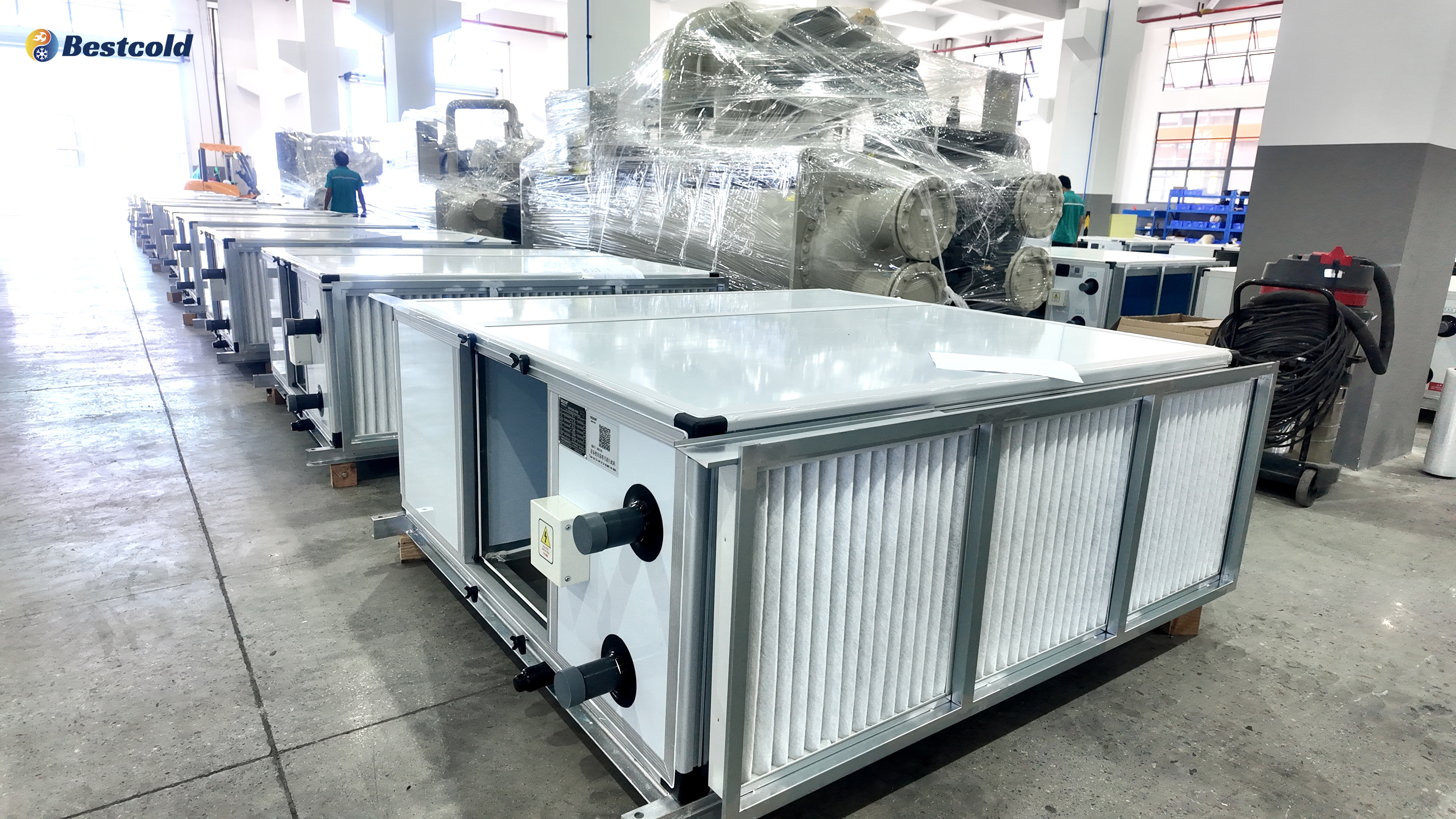 Choosing the right DX air handling unit starts with a clear understanding of your project's cooling load, airflow, static pressure, electrical supply, and installation constraints.
DX AHU Specification Checklist
Use this checklist when preparing a request for quotation (RFQ).
|
Item
|
What to confirm
|
|
Cooling capacity
|
Calculated load and design operating conditions
|
|
Airflow
|
Required CFM and fan performance
|
|
External static pressure
|
Duct resistance and filter pressure drop
|
|
Humidity control
|
Latent capacity and moisture removal requirements
|
|
Refrigerant
|
Approved refrigerant and compatible system components
|
|
Electrical supply
|
Voltage, phase, frequency, MCA and MOCP
|
|
Installation
|
Dimensions, clearances, duct connections and drainage
|
|
Filtration and noise
|
Filter requirements, fan sound data and vibration control
|
|
Compliance
|
Applicable certification and local code requirements
|
|
Service support
|
Warranty, spare parts, technical assistance and maintenance access
|
Specify Your Next DX AHU Project with Bestcold
Planning a commercial HVAC project? Contact Bestcold. Bestcold supports HVAC contractors, distributors, and commercial project buyers with DX AHU equipment options and project-related product discussions.
Contact Bestcold for DX AHU specifications and a project quotation.
 Inside the DX Unit Manufacturing Facility
 Choosing the right DX air handling unit starts with a clear understanding of your project's cooling load, airflow, static pressure, electrical supply, and installation constraints.

