
As HVAC projects continue shifting toward higher energy standards and more flexible zoning requirements, both VRF systems and Multi-split systems are widely used across light commercial and commercial applications.
While both systems utilize one outdoor unit connected to multiple indoor units, their engineering architecture, refrigerant management logic, scalability, and operational capabilities are fundamentally different.
For project-based HVAC applications, understanding these differences is critical for equipment selection, installation planning, lifecycle cost control, and future building expansion.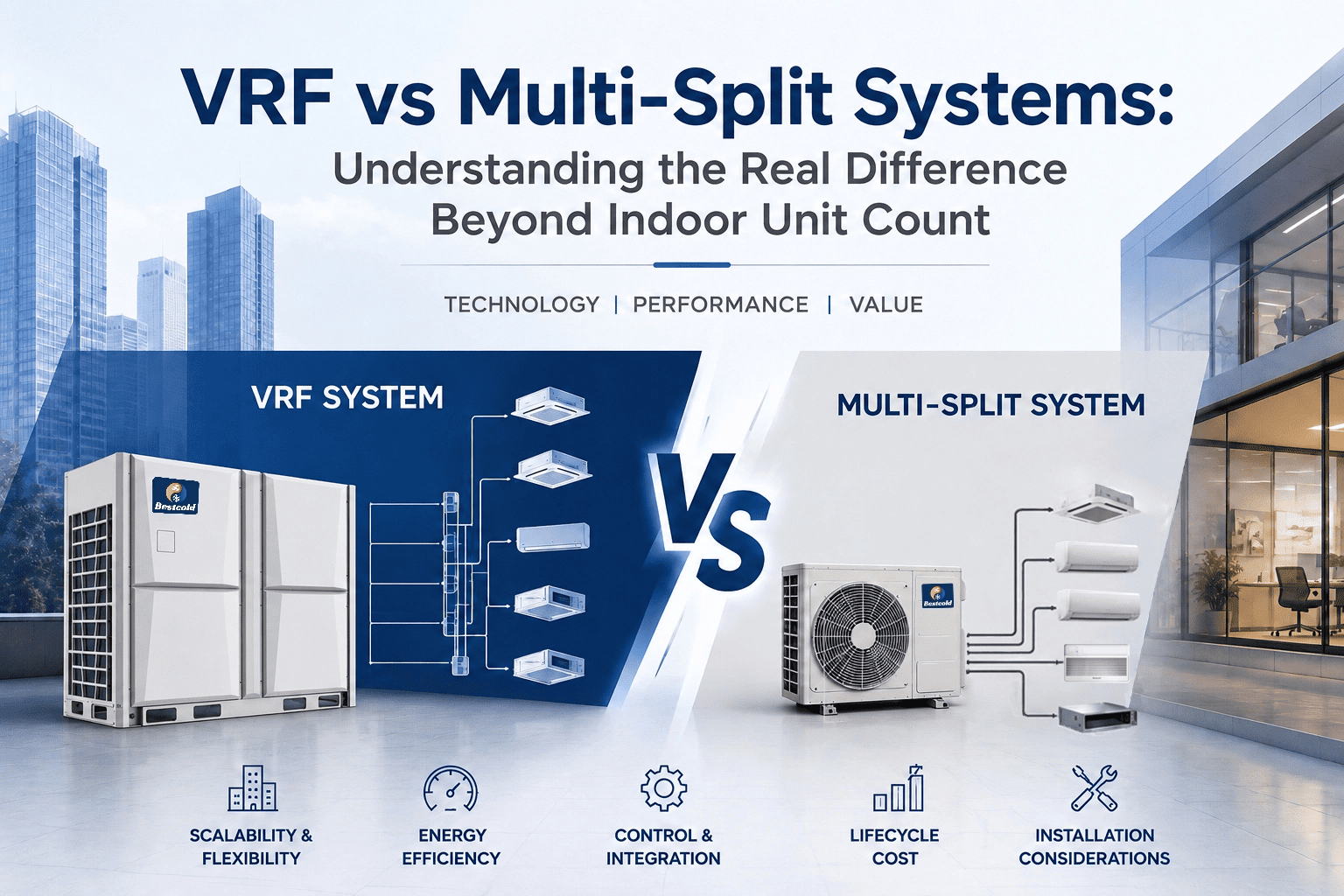
|
Category |
VRF System |
Multi-Split System |
|
Project Positioning |
Medium-to-large commercial projects |
Residential & light commercial |
|
Refrigerant Control |
Precise, dynamic flow adjustment via electronic expansion valves |
Coarse regulation by capillary tube/expansion valve or separate branch control |
|
Outdoor Unit Quantity |
One integrated large outdoor unit |
One unit (with multiple pipe ports) |
|
Indoor Unit Capacity |
Large indoor unit networks |
Limited indoor unit quantity |
|
Piping Design |
Long piping distance & high vertical separation support |
More restricted piping limitations |
|
Zoning Capability |
High-precision independent zoning |
Basic independent room control |
|
Energy Efficiency |
Excellent (low-frequency outdoor unit operation saves power with partial indoor units on) |
Average (COP drops sharply when few indoor units are activated) |
|
Centralized Controls |
Advanced centralized management & BMS integration |
Simplified control structure |
|
Heat Recovery Capability |
Available in many VRF platforms |
Generally unavailable |
|
Installation Complexity |
Higher engineering and commissioning requirements |
Easier installation |

Key Differences centered on refrigerant piping design, Multi-Split systems adopt an independent home-run layout where every indoor unit runs a dedicated pair of copper refrigerant lines straight back to the outdoor unit, creating dense, messy copper routing for multiple zones yet enabling straightforward, low-effort installation and quick component replacement ideal for small commercial builds.
Multi-Split Systems
Practical for Light Commercial Applications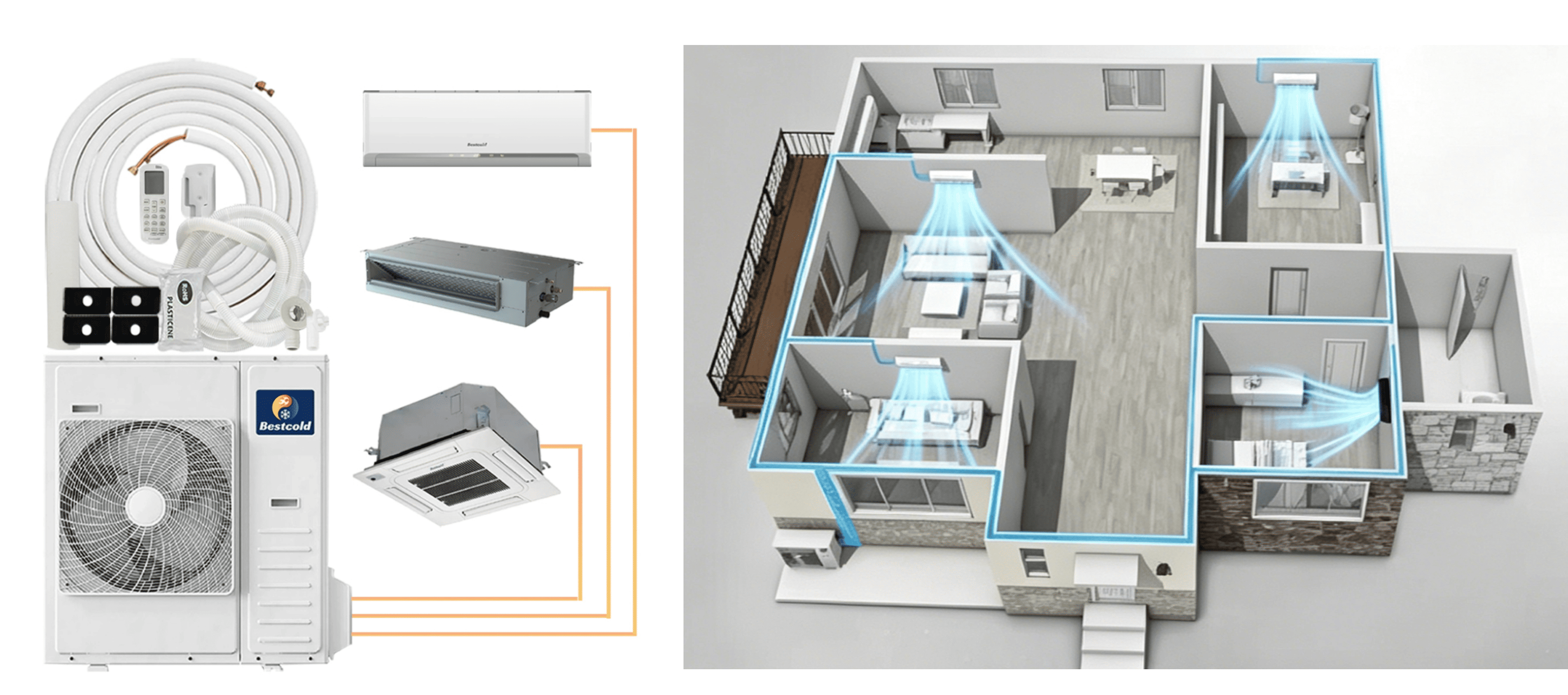
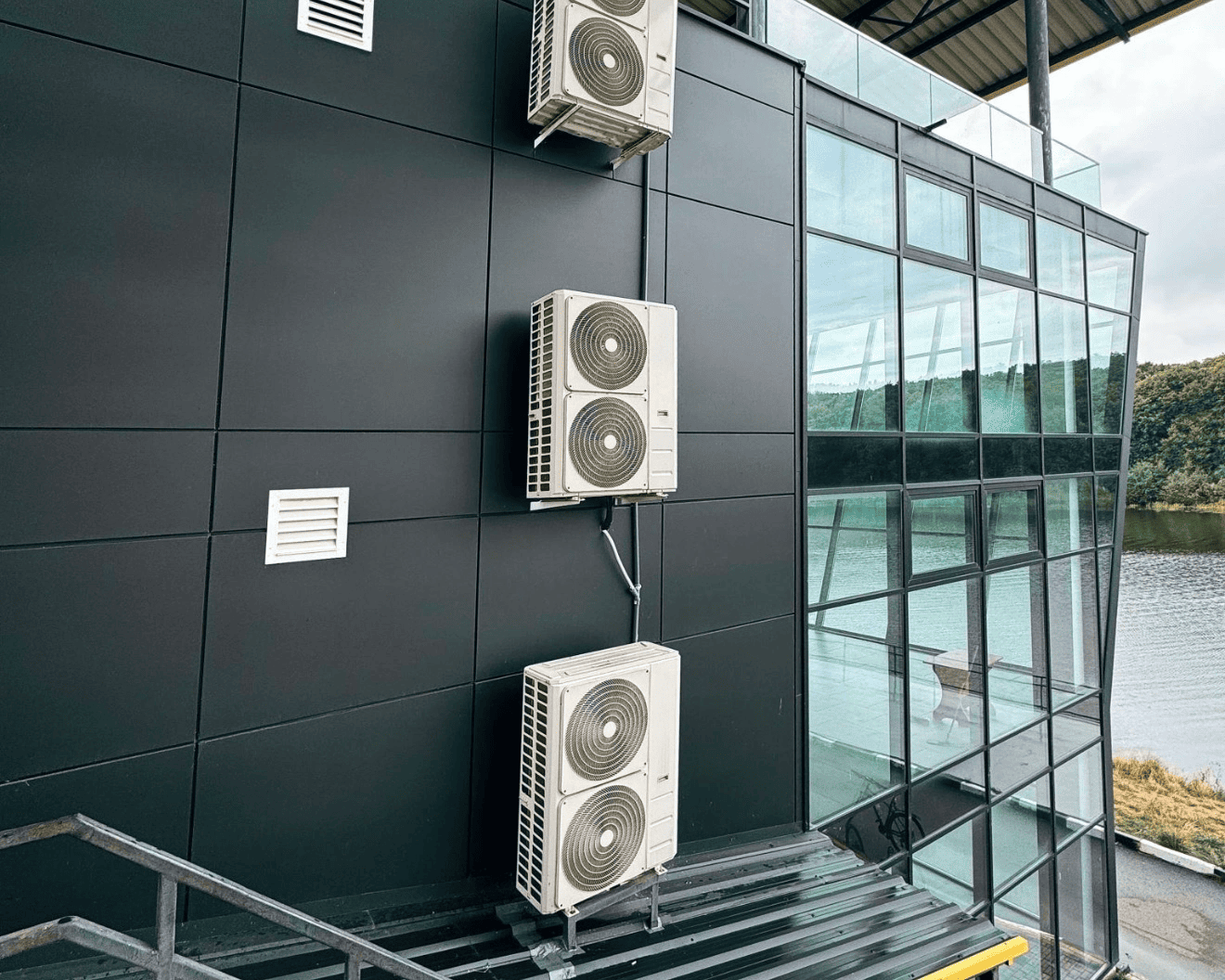
Multi-split systems are commonly applied in:

VRF Systems
Designed for Complex Zoning and Load Management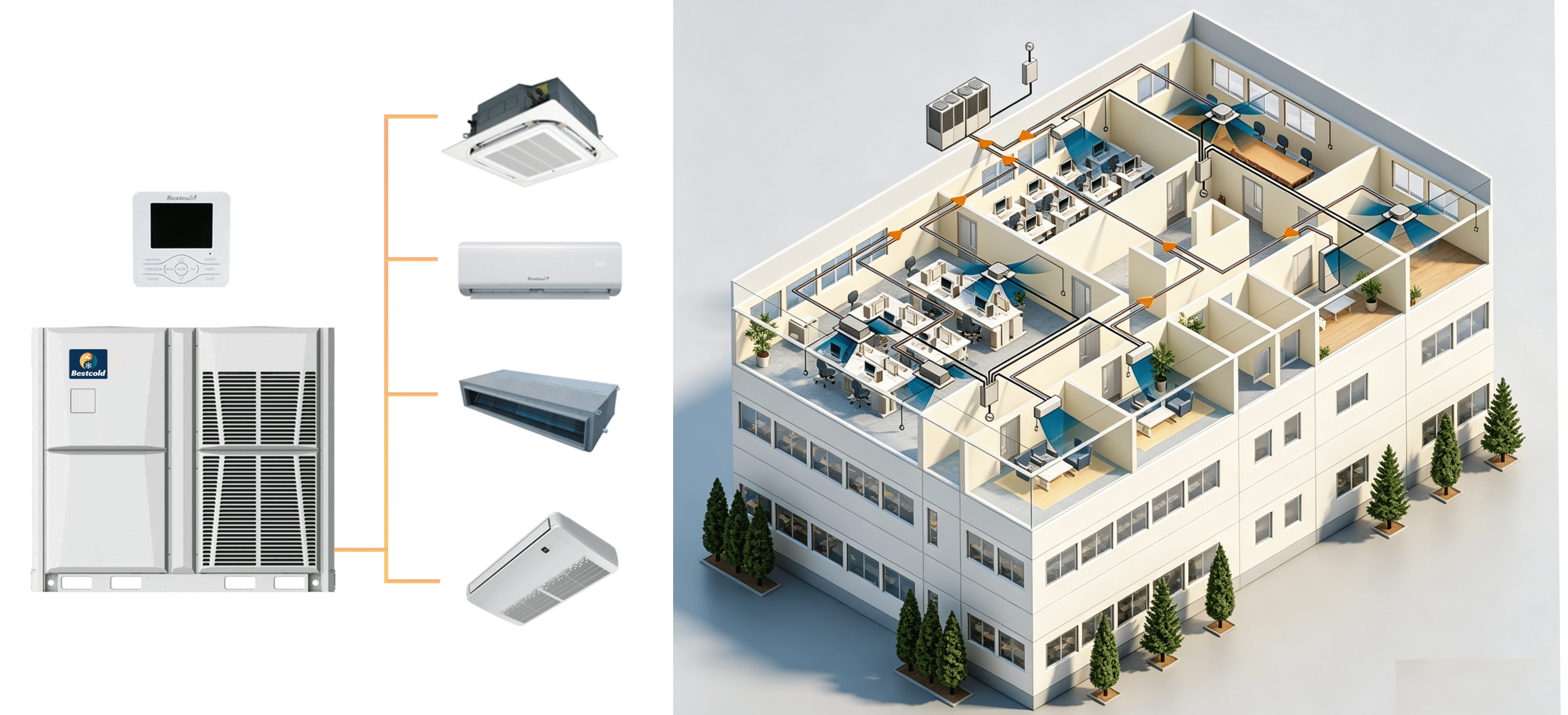
VRF (Variable Refrigerant Flow) systems are engineered for larger and more dynamic commercial environments where load fluctuation, zoning precision, and operational efficiency are critical.
VRF (Variable Refrigerant Flow)Typical applications include:

Unlike conventional multi-split architecture, VRF systems continuously regulate refrigerant flow according to real-time indoor demand, allowing significantly more precise capacity modulation across multiple zones.
This provides stronger performance under partial-load operation — where most commercial buildings actually operate during daily use.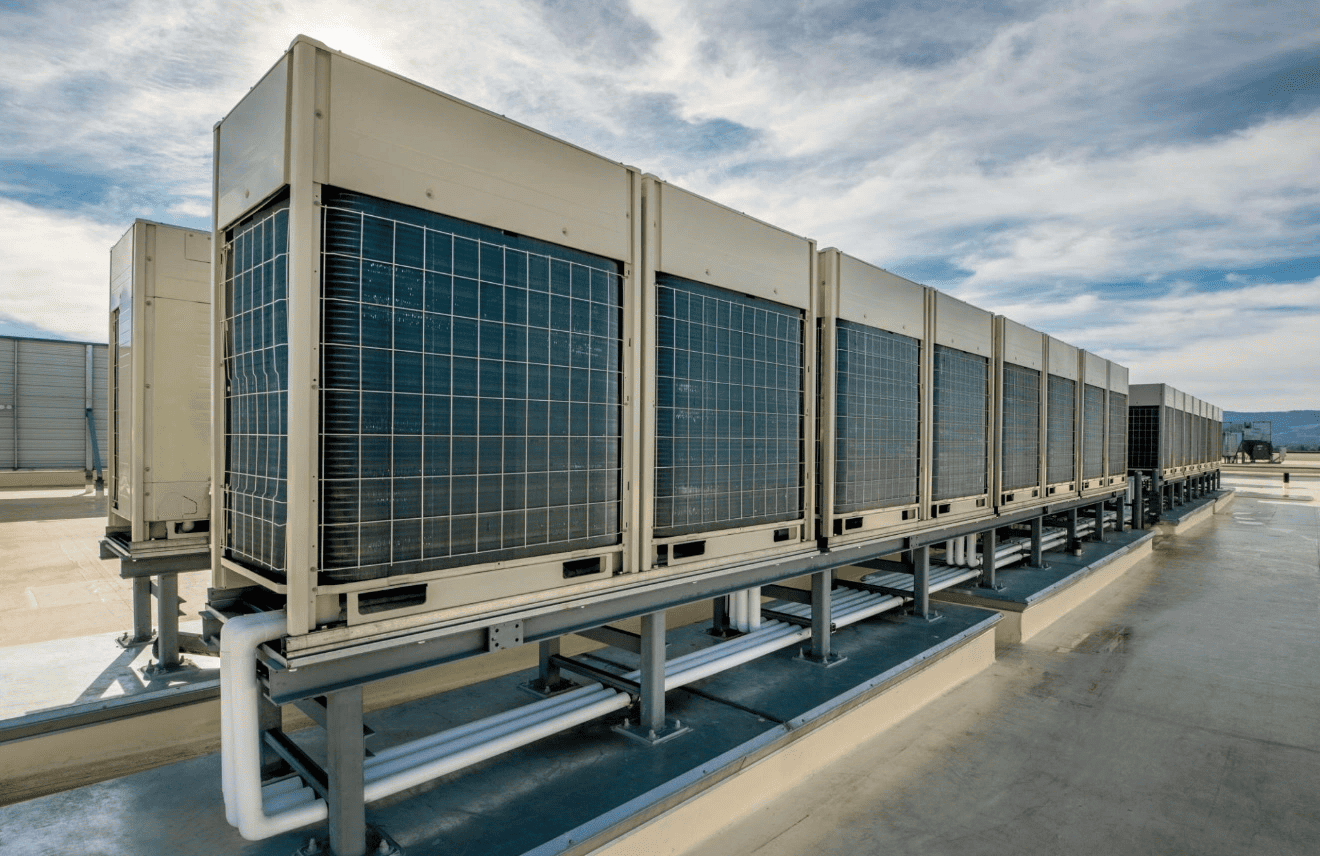
🛠️Installation and Engineering Considerations🛠️
Multi-split systems project execution efficiency:
VRF systems project execution efficiency:
Proper system matching is increasingly important for avoiding oversized equipment, inefficient zoning, and unnecessary operational costs.
Final Thoughts
The difference between VRF and multi-split systems is not simply about system size — it reflects two very different approaches to commercial HVAC design. Multi-split systems focus on simplicity and cost efficiency for lighter applications, while VRF systems prioritize scalability, zoning precision, and optimized lifecycle performance for larger commercial environments.
At Bestcold, we support global HVAC projects with VRF systems, multi-split systems, ducted solutions, rooftop units, and customized climate control products tailored for different market requirements and installation conditions.