In today’s competitive HVAC market, reliability is more than just a feature — it is the foundation of long-term value. Whether for residential, commercial, or industrial applications, a reliable HVAC system directly impacts energy efficiency, operational stability, and customer satisfaction.

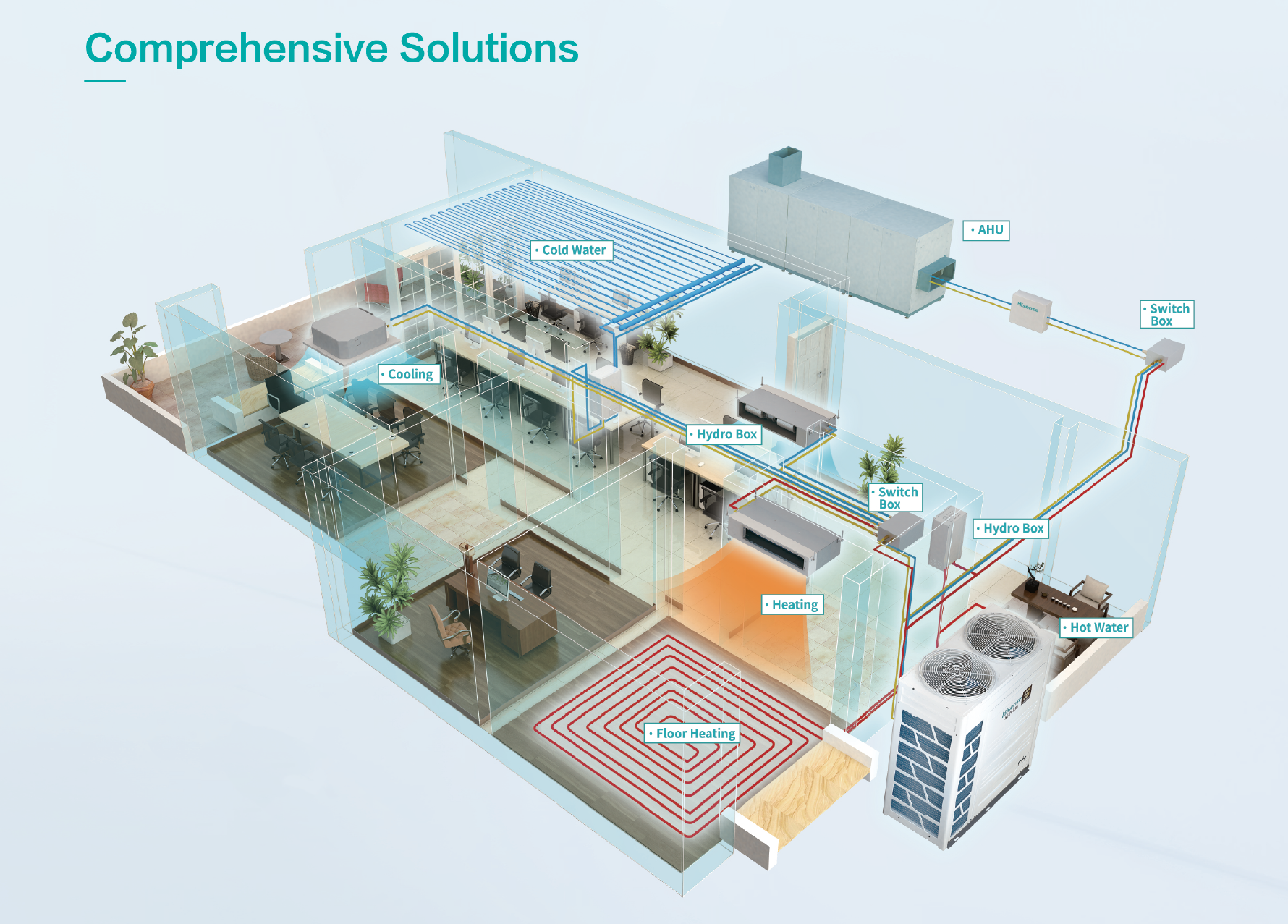
In today’s highly competitive HVAC industry, reliability is far more than an optional feature—it stands as the cornerstone of long-term performance, durability, and lasting value. For residential, commercial, and industrial applications alike, a truly dependable HVAC system directly influences energy efficiency, operational stability, daily comfort, and overall user satisfaction. A reliable unit ensures consistent performance under real‑world conditions, reduces unexpected downtime, lowers long‑term operating costs, and builds trust between users and brands
But what truly defines a reliable HVAC system?
Let’s break it down.
- Consistent Performance Under Real Conditions
A reliable HVAC system is not only tested in ideal environments — it performs consistently under real-world conditions.
From extreme summer heat to fluctuating voltage supply, the system must maintain:
- Stable cooling and heating output
- Fast temperature response
- Minimal performance degradation over time
Advanced inverter technology plays a key role here, allowing systems to adjust output dynamically while reducing energy consumption.
- High-Quality Core Components
Reliability starts from within.
Key components such as:
- Compressors
- Heat exchangers
- Expansion devices
must be sourced from proven suppliers and designed for durability.
For example:
- Scroll compressors with fewer moving parts reduce failure rates
- High-efficiency heat exchangers improve performance while lowering system stress
A system is only as strong as its weakest component.
- Intelligent Protection Systems
A truly reliable HVAC system is designed to protect itself.
Multi-layer protection mechanisms include:
- Overcurrent protection
- High/low voltage protection
- Temperature protection
- Refrigerant pressure monitoring
These safeguards not only extend the lifespan of the unit but also ensure safe operation in unstable environments — especially in developing markets or areas with inconsistent power supply.
- Energy Efficiency That Lasts
Efficiency is often advertised — but reliability means sustained efficiency over time.
A high-quality system should:
- Maintain energy performance after years of operation
- Reduce operational costs for end users
- Meet international efficiency standards
Inverter-driven systems, combined with optimized system design, can reduce energy consumption by 20–40% compared to conventional units.
- Ease of Installation and Maintenance
Reliability is not just about the product — it’s also about how easily it can be installed and serviced.
A well-designed HVAC system should offer:
- Flexible installation options
- Clear system configuration
- Easy access to key components
This reduces installation errors and shortens maintenance time, ensuring long-term system stability.
- Spare Parts Availability & After-Sales Support
Even the best systems require maintenance.
A reliable supplier must provide:
- Fast spare parts supply
- Clear technical documentation
- Responsive after-sales service
Without strong support, even a high-quality product can become a liability for distributors and contractors.
- Stable & Predictable Supply Chain Delivery
Global distribution demands consistent logistics and timely fulfillment to avoid project delays.
We optimize cross-border delivery through dedicated overseas warehouse operations, including:
- Advance batch customs clearance via overseas warehouses
- Converting “international shipments” into “local warehouse delivery” for faster fulfillment
- Achieving stable, predictable supply chain delivery for global partners
- Adaptability to Different Markets
Global HVAC projects require systems that can adapt to:
- Different voltage standards (e.g., 220V / 240V / 380V)
- Climate variations
- Installation environments
Customization capability is a key indicator of a reliable manufacturer.
A reliable HVAC system is not defined by a single specification — it is the result of engineering, quality control, and long-term support working together.
At its core, reliability means:
- Stable performance
- Durable components
- Intelligent protection
- Strong after-sales backing
- Dependable supply chain support
For distributors, contractors, and project owners, choosing a reliable HVAC partner is just as important as choosing the right product.
About Bestcold
At Bestcold, we focus on delivering reliable HVAC solutions through:
- OEM/ODM customization
- Low MOQ with high value
- Full-category product supply
- 7×24h responsive support
- Complete spare parts system
- Overseas warehouse logistics and efficient cross-border delivery
We believe reliability is not just promised — it must be delivered in every project.